
The coconut export industry has quietly become one of the most dynamic segments in global agricultural trade. Growing consumer interest in plant‑based, clean‑label and functional foods is pushing demand for coconut water, oil, milk and desiccated coconut in both developed and emerging markets. From bakery and confectionery to cosmetics and nutraceuticals, coconut ingredients are now standard in many product formulations worldwide.
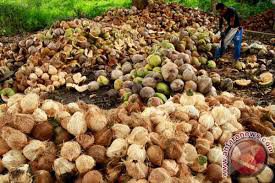
Coconut export growth is closely linked to shifting lifestyle trends. Health‑conscious consumers are replacing sugary soft drinks with coconut water and choosing virgin coconut oil and coconut‑based dairy alternatives for their “natural” and minimally processed image. Exporters who can guarantee food safety, traceability and reliable quality have a strong advantage in this environment, because importers must meet strict retail and regulatory requirements in markets like the European Union and North America.
Asia‑Pacific countries such as India, Indonesia and the Philippines dominate coconut production and coconut export volumes, benefiting from favourable tropical climates and long experience in coconut farming. India alone exports coconut and related products to more than 140 countries, with key buyers including Vietnam, the UAE, Bangladesh, Malaysia and the USA. For new exporters, this means there is already a tested trade ecosystem, established shipping routes and proven product categories to enter.
At the same time, the coconut export business faces real challenges. Climate change, extreme weather and aging plantations can reduce yields and create raw material shortages, which in turn drive price volatility across coconut products. Forward‑looking exporters respond by investing in sustainable sourcing, replanting programmes and diversified product portfolios, so they are less exposed to a single product or single market. Done correctly, coconut export is not just profitable but also a driver of rural livelihoods and value‑added processing in producing countries.