
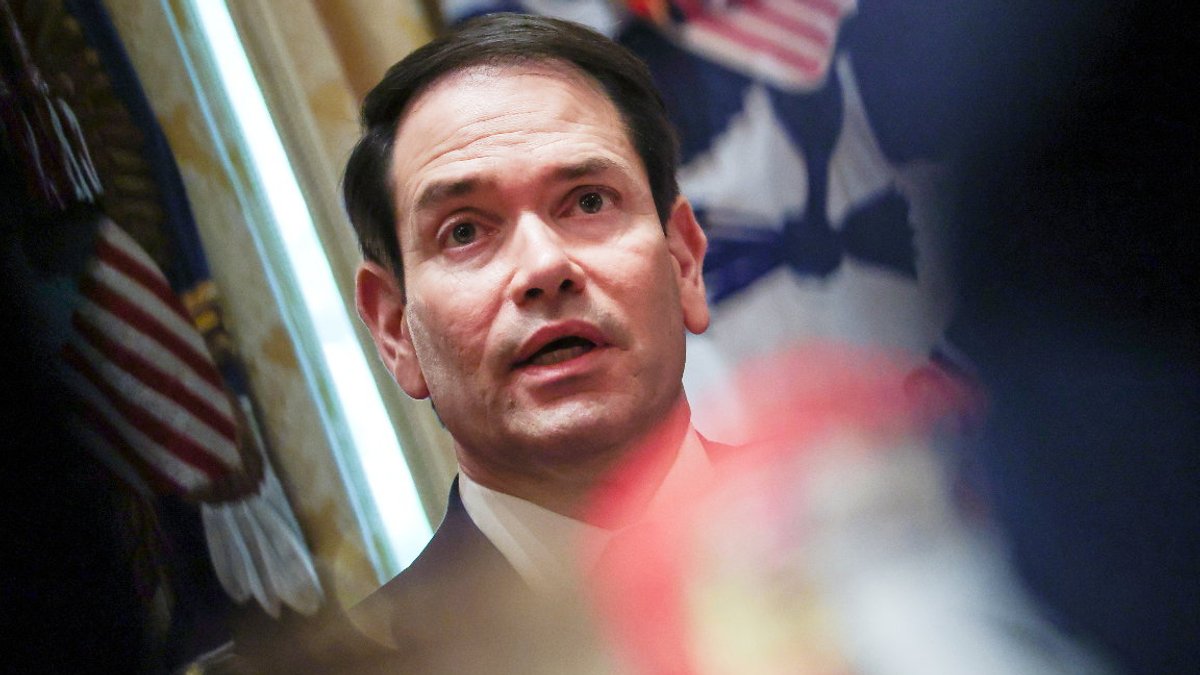
Senator Marco Rubio has described India as a “refining superpower,” arguing that its oil processing capacity could help address global supply pressures by refining heavy Venezuelan crude. This suggestion arises as U.S. and Indian officials negotiate a major trade agreement, though legal challenges and sanctions against Venezuela’s Maduro government continue to pose significant barriers.
During a visit to India, Rubio emphasized the country’s sophisticated refining capabilities, especially at Reliance Industries, which has processed Venezuelan oil in the past. The company’s expertise in handling heavy crude, including its prior experience with Venezuelan barrels, positions it as a key player in potential energy partnerships. While Venezuelan crude alone would not resolve global shortages, Rubio noted that existing Indian investments in Venezuela, including operational concessions, could facilitate increased production if political hurdles are overcome. “India’s ability to handle heavy crude is unparalleled,” Rubio stated, adding that the country’s refining infrastructure is critical to global energy distribution.
Read Also: Lockheed Martin unveils new Patriot missiles
India’s move away from Russian oil, while still prioritizing energy security, has become a key strategic focus. Rubio framed stable energy supplies as a matter of national security, cautioning that disruptions could lead to economic instability or geopolitical tensions. The U.S. and India have already settled a trade dispute over tariffs, with bilateral commerce reaching $149.4 billion last year. However, legal teams are still finalizing the details of the trade agreement, as the two nations work to resolve lingering technical issues. Progress on this front follows a period of heightened tensions, when the Trump administration imposed 50% tariffs on Indian goods.
A temporary resolution was reached in February, but sanctions on Maduro’s government remain an obstacle to energy partnerships. Rubio’s proposal suggests that India’s refining expertise could help fill supply gaps, if legal and political hurdles are overcome. The senator acknowledged that while India has shown openness to such arrangements, the existing sanctions and legal constraints require careful negotiation.