
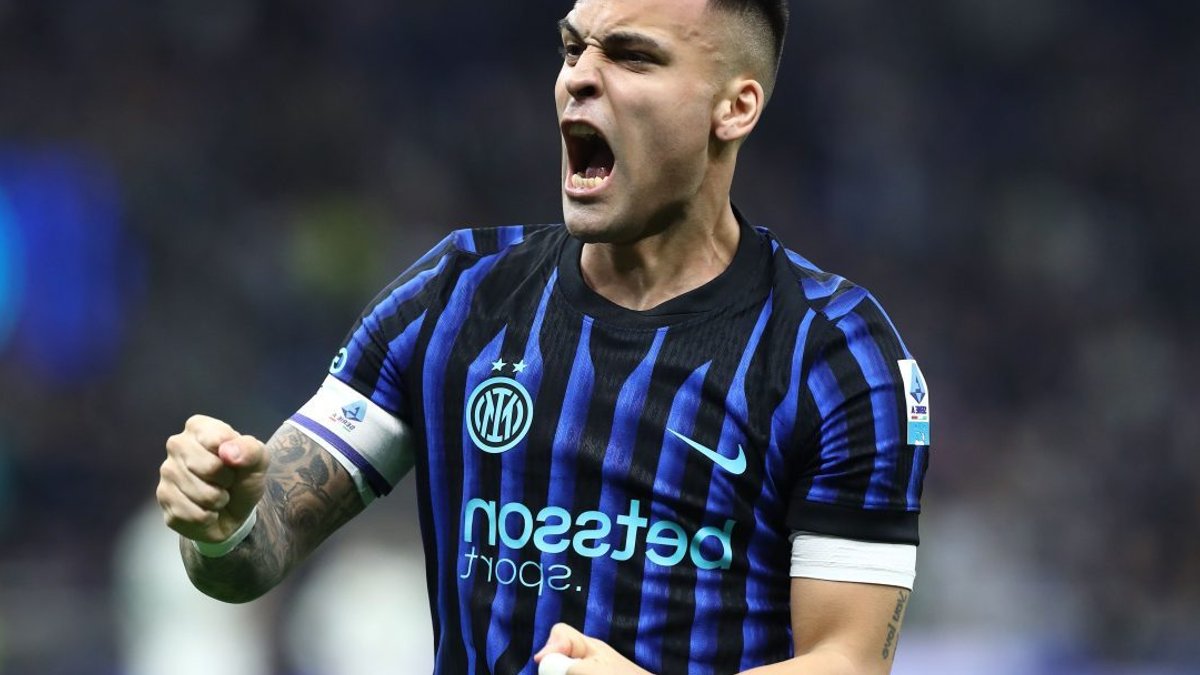
Serie A remains a storied football league with legendary figures like Maldini, Totti, and Gattuso, yet its global prestige has diminished significantly. In the 1990s and early 2000s, Serie A was the league to watch outside of England, with its tactical brilliance and star power drawing fans from Naples to Salford. But that golden era has faded, and today, Italian football struggles to compete for international attention.
While the Premier League now commands worldwide attention, Serie A’s broadcast revenue growth has stalled at just 1% annually, with overseas rights contributing only about 25% of total income—a stark contrast to England and Spain, where international earnings account for 40-50%. The core issue is no longer just about improving rights sales but whether the league can rekindle fan interest beyond Italy’s borders.
Global audience size is the primary obstacle. Broadcasters prioritize leagues with mass appeal, and Serie A’s international following remains limited. Only 10% of non-Italian fans support an Italian club as a secondary team, compared to 55% for Premier League clubs. This disparity directly impacts revenue potential, as smaller viewership translates to lower bids. Without a surge in engagement, financial struggles will persist regardless of rights negotiations. The challenge extends beyond rights negotiations to the league’s ability to create consistent, market-specific content—something Serie A has historically lacked. A tighter operational structure, with tailored packages for different regions, could improve its commercial appeal, but broadcasters remain hesitant to invest heavily in a league with a smaller, less predictable global audience.
Private equity firms have taken notice of Serie A’s media rights, but converting isolated events into sustained interest remains the greater challenge. The league’s attempt to host a match in Perth—AC Milan against Como, highlighted potential, but the game was canceled before it began. Even if successful, a single overseas fixture would not guarantee a lasting global fanbase.
The real work lies in post-match engagement: local content creators, YouTube highlights, and formats that make Italian football more accessible to international audiences. While Milan playing in Australia might draw crowds, the question is whether those fans will stay engaged with the league beyond a single event. Serie A needs to ensure that international matches serve as a gateway, not just a one-off spectacle, but a way to deepen connections with teams like Como, whose appeal often goes unnoticed outside Italy.
Read Also: South Africa New Zealand clash with NFL
Premier League’s fan engagement secrets
The Premier League’s dominance extends beyond star power. Its ability to integrate fans through fantasy football, diverse player rosters, and relentless media coverage ensures consistent engagement. Serie A possesses a rich international player base, but without comparable fan interaction tools, it struggles to compete for attention. The league’s marketing and digital infrastructure must evolve to match global expectations. Unlike the Premier League, which thrives on its mix of players and managers from around the world, Serie A’s international appeal often hinges on nostalgia rather than ongoing engagement. Without a clear strategy to turn sporadic interest into lasting loyalty, the league risks remaining a secondary destination.
Competition from the expanded Champions League further complicates Serie A’s position. Midweek fixtures now feature Europe’s elite teams, reducing available slots for domestic leagues in fans’ schedules. To regain relevance, Serie A must demonstrate that it offers something distinct, not just as a secondary option, but as a league worth prioritizing. The Champions League’s expansion means Serie A’s weekend fixtures now compete directly with Europe’s biggest stage, making it harder to carve out a dedicated audience. Without a compelling reason for fans to choose Serie A over other leagues, its global revival will remain out of reach.
Nostalgia won’t fix revenue decline
Data shows the divide: while 55% of non-UK fans follow a Premier League club as a secondary team, Serie A’s figure remains at 10%. This is not solely a rights-sales problem but a failure to cultivate deeper fan connections. Broadcasters will not invest more if audiences do not expand, and without a clear strategy to maintain engagement beyond occasional matches, Serie A’s global revival will continue to elude it. The league’s historical appeal, symbolized by Maldini, Totti, and Gattuso, still attracts some viewers, but nostalgia cannot sustain modern revenue demands.
Key initiatives include expanding digital content and partnering with global platforms to increase accessibility. Success will require more than occasional high-profile matches; it demands a consistent, immersive experience for fans worldwide. Unlike the Premier League, which has mastered the art of fan engagement through digital innovation, Serie A must invest in creators who understand local audiences and formats that make Italian football easier to follow. Without this, even the most well-marketed matches will fail to build lasting interest.
How Serie A can reclaim global relevance
Serie A’s future depends on bridging the gap between its storied past and a dynamic, globally connected present. The Premier League’s model implies that fan engagement drives revenue, and Serie A must adopt similar strategies to reverse its declining influence. Without action, the league risks remaining a secondary destination rather than a global football powerhouse. The challenge is not just selling rights but proving that Serie A can deliver the same level of excitement and accessibility as its competitors. Only then will broadcasters and fans alike take notice.