
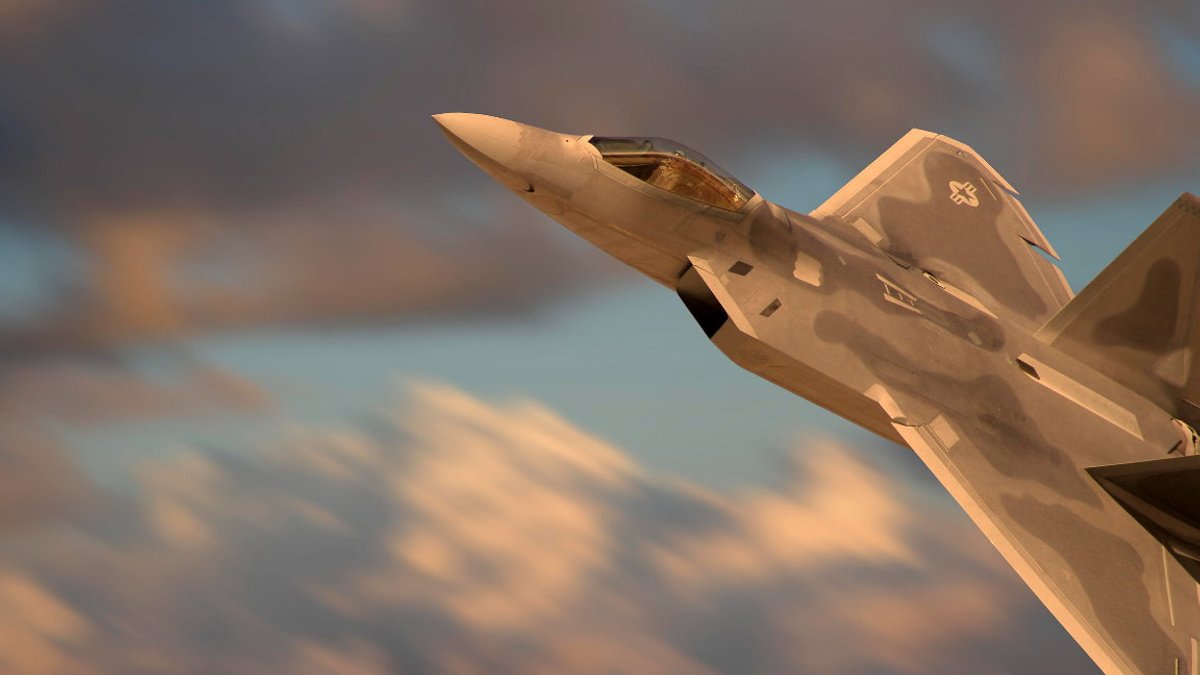
The United States military is testing the future of air combat by integrating human pilots with autonomous drones, allowing F-22 Raptor pilots to direct Anduril’s YFQ-44A Fury drone during missions. This capability emerged after rapid development cycles, moving from concept to flight tests in just 556 days. The Air Force plans to deploy 500 semi-autonomous units by 2032, with a long-term goal of maintaining a fleet of 1,000 collaborative combat aircraft to expand strategic reach and enhance operational safety.
Flight Demonstration Success
During a recent demonstration, an F-22 pilot successfully guided an Anduril YFQ-44A Fury through simulated combat scenarios. Rather than manually controlling the drone’s flight systems, the pilot issued strategic commands that the drone’s internal software executed autonomously. This exercise focused on improving human-machine teaming to boost overall mission effectiveness. The Fury is designed to operate autonomously or in partnership with manned aircraft, aiming to increase firepower and survival rates in contested airspace.
The drone’s semi-autonomous systems handle propulsion and navigation based on pre-programmed plans, though a human supervisor can trigger a return-to-base command if needed. General Ken Wilsbach, Air Force Chief of Staff, noted that these collaborative capabilities provide a significant tactical advantage. Test data will help refine operational strategies, software integration, and teaming tactics for future missions.
Rapid Development and Design Features
The YFQ-44A’s development was notably swift, transitioning from initial concept to active flight testing in under two years. Current evaluations focus on stealth, autonomy, weapons integration, and agility. The drone separates mission-critical software, responsible for target identification and combat data processing, from support systems monitoring mechanical health. This project involved multiple units, including the 412th Test Wing and the CCA’s “Software Autonomy and Teaming” branch.
The Air Force Secretary, Troy Meink, emphasized that industry partnerships are accelerating the transformation of emerging technologies into operational tools to counter evolving threats. Anduril leverages its ArsenalOS software and a 5-million-square-foot manufacturing facility in Ohio, Arsenal-1, to streamline production and increase output rates through optimized workflows.
Future Deployment Strategy
Historical parallels exist in the evolution of unmanned systems, such as the gradual integration of the MQ-9 Reaper into conventional operations. However, the YFQ-44A’s design for direct human-in-the-loop control marks a distinct approach, prioritizing real-time adaptability over fully autonomous decision-making. This balance reflects ongoing efforts to maintain human oversight while leveraging AI-driven performance gains.