
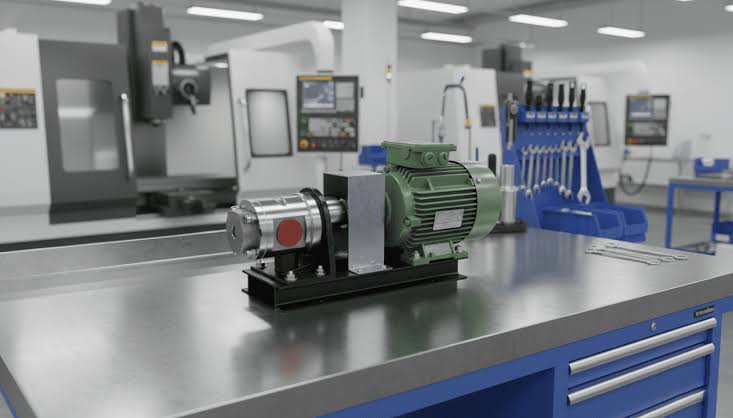
Industrial fluid handling typically progresses through predictable stages, evolving from initial system design and component selection to the ongoing maintenance required for long-term operational stability. Understanding how these systems function and how to select the right equipment is essential for engineers and facility managers who aim to maintain efficient production. Whether a facility is integrating a gear pump manufacturer into a new assembly line or evaluating the need for progressing cavity pumps to handle challenging materials, the process is best approached by considering how components interact within the larger system architecture.
Evaluating system requirements during the design phase
The early stage of fluid handling starts with a clear assessment of the fluid characteristics and the intended environment. Before selecting a pump, it is standard practice to examine how the equipment will integrate with the broader infrastructure. For many applications, a gear pump manufacturer can provide units designed to handle specific viscosity ranges and flow requirements. These pumps operate on a principle of displacement, often providing a steady flow of fluid that is well-suited for various manufacturing processes.
When getting started, the primary consideration is often the interaction between the pump’s internal components and the material being transported. If the fluid possesses high viscosity or requires a gentle, non-pulsating flow, the selection process might shift toward alternative technologies. This is where it is helpful to consult with providers to understand the material compatibility of seals, housing, and gears. Asking how a pump manages internal pressure and flow velocity can provide clarity on whether the equipment is suitable for the intended duty cycle.
Transitions in performance as operational demands evolve
As systems move from installation to regular operation, the performance expectations often shift. Over time, components may experience wear, and the demand on the system may change. A well-designed system includes monitoring tools that allow operators to observe how the equipment performs under typical loads.
In many settings, facilities find that they need to manage different fluid types or process volumes as their output capacity grows. This evolution often necessitates a review of the current pumping technology. For instance, while one type of pump may perform exceptionally well with thin, non-abrasive fluids, moving to a process that involves thicker or more abrasive slurries might reveal the advantages of using progressing cavity pumps. These pumps are often chosen when the priority is maintaining a constant flow for materials that might otherwise be difficult to move. Understanding the transition points — where current equipment might begin to show signs of over-exertion — is key to avoiding unplanned downtime.
Identifying indicators for system adjustment
A common pattern in mature systems is the development of subtle performance changes. An increase in noise, a slight variation in flow rate, or an unexpected change in operating temperature can be early indicators that the system requires an adjustment or a component replacement. Instead of waiting for a total failure, proactive management involves regular check-ups on the health of the internal seals and the integrity of the pump housing.
Thoughtful operators often keep a record of how the equipment responds to seasonal changes or fluctuations in the production schedule. If the system is frequently adjusted to accommodate different material consistencies, it may be time to discuss these variations with a gear pump manufacturer to see if specific modifications to the internal gear configuration could improve long-term performance. Similarly, observing how progressing cavity pumps react to different drive speeds can help determine if the existing motor and control systems are appropriately matched to the current operational requirements.
Maintaining stability through long-term infrastructure health
Sustaining consistent results requires a move toward a preventative approach rather than a reactive one. Long-term reliability is rarely the result of a single perfect component; it is usually the result of ongoing alignment between the pump’s capabilities and the facility’s evolving needs. This involves training personnel to recognize the sound of a system operating within its parameters and understanding the signs of strain.
For those overseeing the maintenance of these systems, the long-term goal is to extend the service life of every installed unit. This often involves establishing a routine for lubrication, seal inspection, and alignment checks. It is also beneficial to cultivate a strong relationship with the suppliers of the equipment. When a facility communicates regularly with the gear pump manufacturer about how the equipment is faring in the field, it creates a feedback loop that can lead to better recommendations for parts, upgrades, or operational tweaks.
Approaching the lifecycle of fluid management as a continuous progression allows facility managers to shift their focus from crisis management to optimization. By carefully selecting technology that aligns with specific application needs—whether choosing the consistent precision of gear-based designs or the volumetric capabilities of progressing cavity pumps—organizations can build a foundation that supports reliable production well into the future. The process of managing industrial fluids is, at its heart, about maintaining the steady flow of business, one component at a time.