
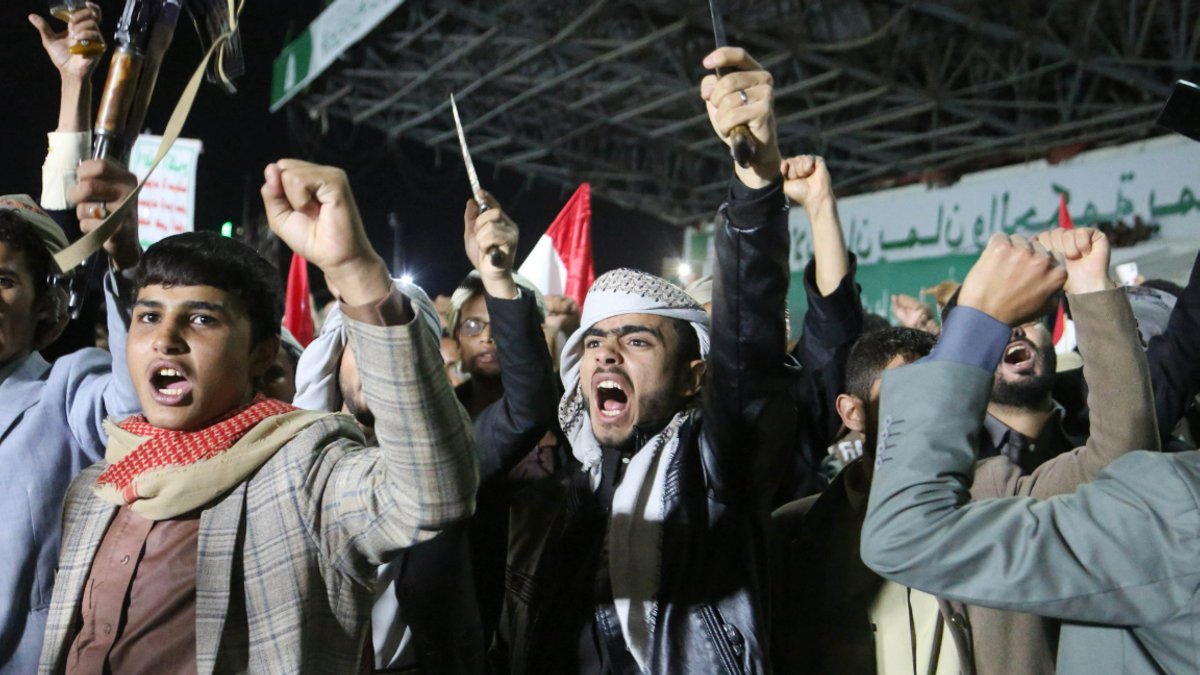
Houthi militants have launched rocket attacks on Saudi oil infrastructure and air hubs, causing airport closures and operational disruptions. The attacks have resulted in casualties and damage to facilities, with the group vowing to continue targeting these sites.
Following a missile strike on Aramco’s offices in Dhahran, the Houthis announced plans for further attacks on oil infrastructure and airports. They identified specific targets, including a refinery in Riyadh and the King Khalid International Airport, labeling them as legitimate military sites. The group advised employees, civilians, and international shipping companies to evacuate these locations.
The Saudi-led coalition in Yemen claimed to have successfully intercepted a ballistic missile aimed at Dhahran. However, debris from the interception fell on a residential area. An internal report revealed that the subsequent fire at Aramco’s headquarters affected multiple floors, including executive offices and the CEO’s office. Despite the damage, the company continued operations remotely.
In Riyadh, the interception of another missile caused loud explosions and triggered an air alert. Falling debris reportedly injured four people and damaged 15 homes.
The conflict has severely impacted the King Khalid International Airport, which has been targeted four times since the war began. Recent attacks have resulted in at least 18 deaths and over 300 injuries, leading to the airport’s closure until October 17 and widespread flight cancellations.
In retaliation, Saudi forces struck Houthi-controlled oil facilities in western Yemen. These attacks hit gas stations in Sanaa and the Ras Isa port area in Hodeida, with local health authorities reporting two casualties.
U.S. President Donald Trump criticized the Houthis’ actions, suggesting that Iran is influencing the group to drive up oil prices ahead of the November 3 midterm elections. Trump indicated that the U.S. is considering joining Saudi Arabia in military operations against the Houthi rebels.