
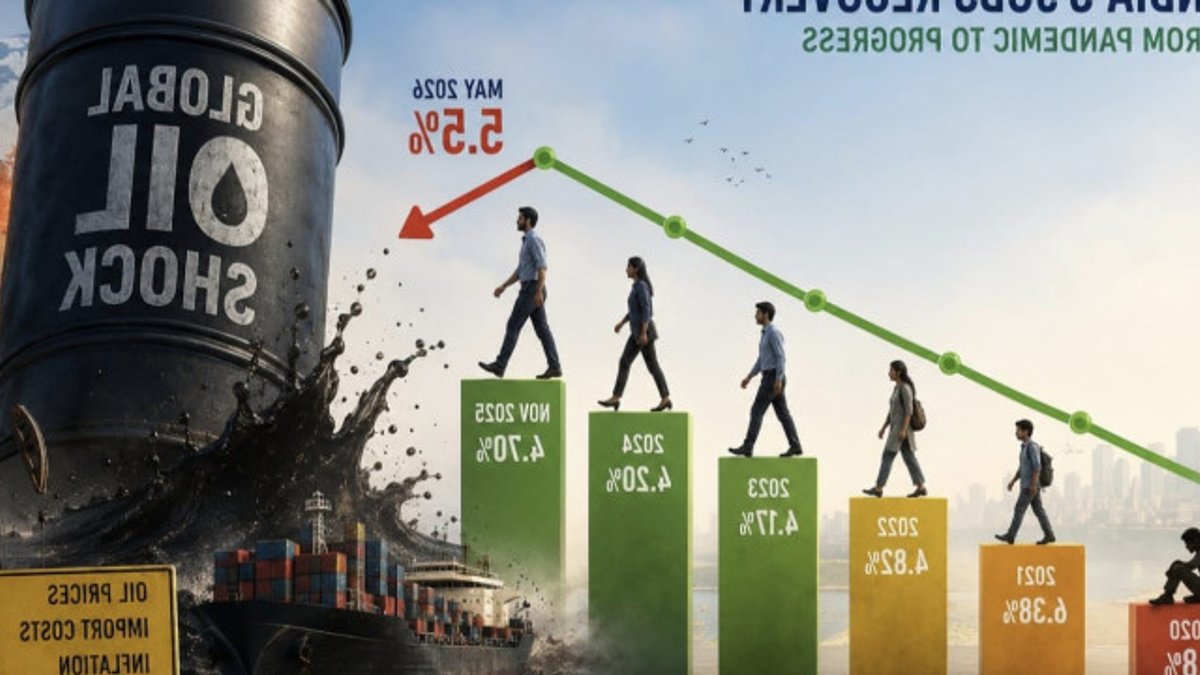
India’s unemployment rate reached 5.5% in May 2026, the highest in nearly a year. The rise stemmed from a global oil supply crisis that disrupted shipping routes in the Persian Gulf and drove energy prices upward.
The increase reversed a long recovery. After peaking at 8.8% in 2020 during pandemic lockdowns, unemployment had fallen steadily, hitting 4.7% by November 2025. That improvement stood out as one of the most significant economic turnarounds worldwide.
The recovery that worked—then stalled
From 2021 to 2025, India’s unemployment rate dropped from 6.38% to 4.70%. The decline reflected real job creation, not temporary contracts or statistical adjustments. Millions of formal and informal positions opened, and wages remained stable.
Consistent policies helped. Interest rates, labor laws, and infrastructure spending stayed on track. Job growth spread across urban and rural areas, showing broad strength.
Related: BW Businessworld: India’s top business magazine
A labor force of 1.4 billion made the progress notable. Yet it proved fragile.
In May 2026, shipping lane closures in the Persian Gulf triggered what the International Energy Agency described as the largest oil supply disruption in history. India, which imports nearly 85% of its crude, faced immediate pressure. The rupee lost 9% of its value in fiscal year 2026, then fell another 3.1% as the crisis worsened. Rising import costs cut household spending, and companies halted hiring.
Urban unemployment rose to 6.4% in May, down slightly from 6.6% in April. Rural unemployment climbed to 5.1%, up half a percentage point from the previous month, as agricultural struggles added to the slowdown.
A policy framework that held steady
India’s economic policies remained unchanged in May 2026. Interest rates aligned with growth targets, labor laws continued modernizing, and infrastructure projects advanced. Corporate tax rates stayed competitive, and foreign direct investment held steady despite global uncertainty.
Related: CBN liquidity squeeze leaves banks with N2.6tn inflows
The unemployment spike wasn’t caused by policy errors. It resulted from an oil market shock hitting an economy dependent on imports. The situation resembled a well-trained runner tripping over an obstacle placed by someone else.
The difference is important. The drop from 8.8% to 4.7% was genuine, supported by policy, and lasting. The rise to 5.5% is real but temporary, driven by external forces.
Unemployment sits above recent levels but remains 31% lower than the 2020 peak. The gains since 2021 are clear. The policies that enabled them remain in place.
Even strong domestic policies can’t fully protect an economy from global shocks. The current rate reflects vulnerability, not poor governance.