
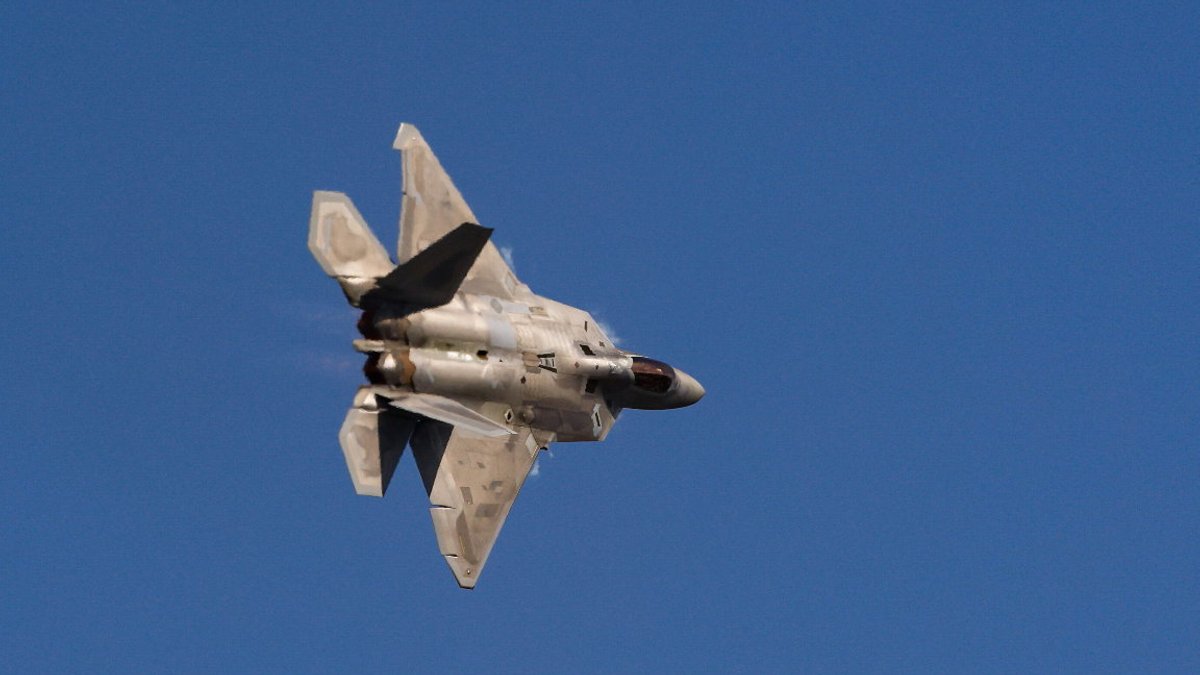
The F-22 Raptor, once deemed redundant, is now in short supply for the U.S. military. Designed in the 1980s as part of the “Advanced Tactical Fighter” initiative, its primary mission was to dominate European skies by neutralizing Soviet aircraft like the Su-27 and MiG-29, ensuring NATO air superiority. However, the USSR’s collapse rendered this purpose obsolete. The shift to asymmetric warfare post-9/11 further reduced its strategic value, as the focus turned to intelligence gathering and close air support in conflicts like Afghanistan and Iraq.
As priorities changed, orders for the F-22 dropped sharply. Initially planned for 750 units, the fleet was progressively reduced to 648, then 339, and finally 277 before being capped at 187 by 2009. Defense Secretary Robert Gates labeled it a Cold War relic. Costs soared due to Lockheed Martin’s contractual right to recoup $67 billion in research and development, regardless of production volume. This pushed the unit price from an estimated $150 million to over $300 million. An export ban, imposed in 1998 to protect stealth technology secrets, blocked sales to allies like Japan, Israel, and Australia, further hindering financial recovery. Production ended in 2012, with the Pentagon shifting focus to the more versatile and cost-effective F-35.
Read Also: Belgian government delays budget deal over VAT dispute
Looking Ahead
The F-47, with only 185 units planned, will not fully replace the F-22’s intended role. As China and Russia field advanced fighters, the U.S. must handle a delicate balance between capability and cost, ensuring its forces remain ready for 21st-century challenges. The F-22’s journey from redundancy to relevance reflects the dynamic nature of global security, and its lessons will shape future decisions in maintaining air dominance.