
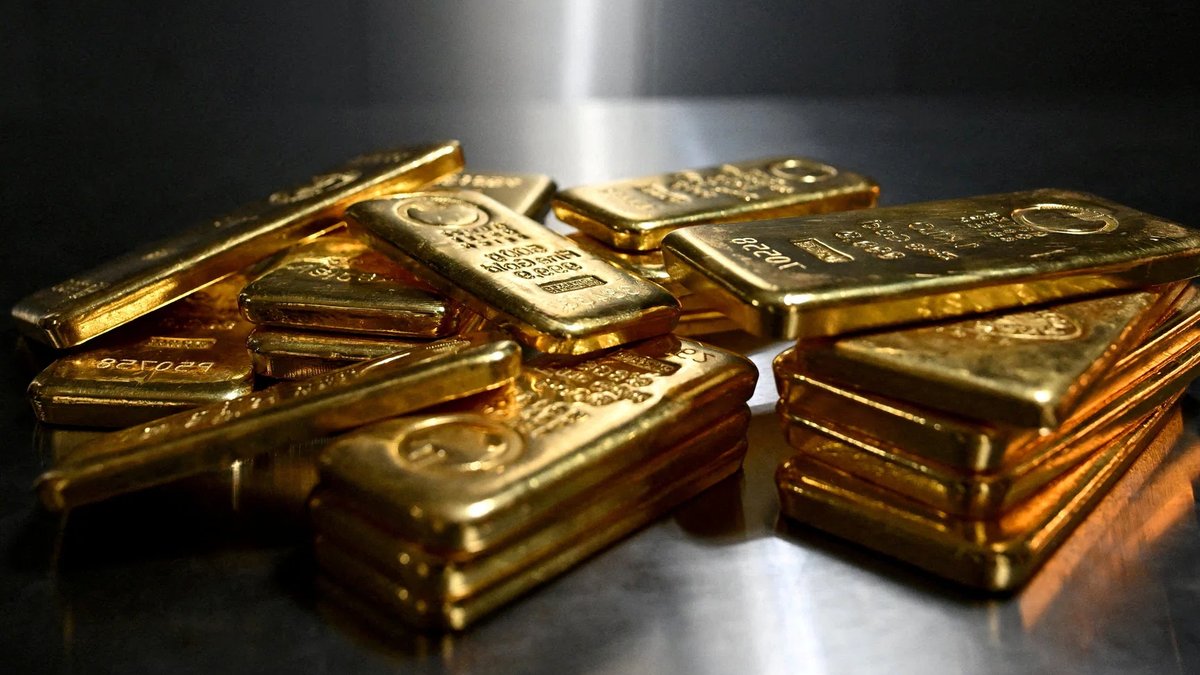
Gold prices remained near record highs after the US Treasury Department took steps to lower borrowing costs, driving the precious metal above $4,500 per ounce.
Treasury expands debt buybacks
The department announced it was increasing the size of liquidity support buyback operations for long-dated securities, specifically targeting debt dated from 10 years to 30 years. The move came as yields on US government bonds hit multi-decade highs.
Bullion surged more than 4 percent the previous day and held onto those gains in the following session. The price action marked the strongest performance for gold in six months. The department stated it was boosting these operations by at least double.
The announcement follows the disclosure that total US public debt had surpassed $40 trillion for the first time. The national debt has increased by a third in less than five years.
The Treasury’s decision to increase the size of liquidity support buyback operations is a significant development, as it aims to reduce the cost of borrowing for the US government. By targeting long-dated securities, the department is attempting to bring down yields on these bonds, which have reached multi-decade highs. This move is expected to have a positive impact on the overall bond market, making it more attractive for investors to hold gold.
The increase in the national debt to over $40 trillion is a notable milestone, highlighting the growing fiscal burden on the US government. The fact that the debt has grown by a third in less than five years shows the need for the government to take steps to manage its finances and reduce its reliance on debt. The Treasury’s decision to expand debt buybacks is a step in this direction, as it aims to reduce the cost of borrowing and make it easier for the government to service its debt.
Market reaction and inflation outlook
The Treasury’s decision signals greater official support for the bond market. This support can lead to easier financial conditions, which reduces the opportunity cost of holding gold. When borrowing costs drop, the yield advantage of holding cash or bonds diminishes, making gold more attractive to investors.
Related: Faces behind India’s fighting forces
However, further gains in the yellow metal may be limited by inflation pressures. Oil prices held a gain as prospects for a peace deal between the US and Iran over the Strait of Hormuz remained dim. A diplomatic spat between the United Arab Emirates and Iran added to tensions in the Middle East.
These energy-related factors complicate the outlook for gold. While lower Treasury yields provide a supportive environment for the metal, persistent inflation and geopolitical risks in oil-producing regions could act as a counterweight. The dual forces create a volatile environment for precious metals traders.
The impact of inflation on gold prices is a complex one. On the one hand, higher inflation can reduce the purchasing power of gold, making it less attractive to investors. On the other hand, inflation can also lead to higher gold prices, as investors seek to hedge against inflation by buying gold. The current situation, with oil prices holding gains and geopolitical tensions in the Middle East, suggests that inflation pressures may persist, which could limit further gains in gold.
Spot gold was up 0.1 percent to $4,520.05 per ounce in Singapore. Silver also advanced 0.1 percent to $67.01. Platinum and palladium edged higher as well. The Bloomberg Dollar Spot Index, a gauge of the US currency, was little changed after ending the previous session down 0.8 percent.
The reaction of other precious metals, such as silver, platinum, and palladium, to the Treasury’s decision is also worth noting. These metals, like gold, are often seen as safe-haven assets and can benefit from easier financial conditions. The fact that they are also advancing suggests that investors are seeking to diversify their portfolios and hedge against potential risks, such as inflation and geopolitical tensions.
The Bloomberg Dollar Spot Index, which measures the value of the US dollar against a basket of other currencies, is an important indicator of the currency’s strength. The fact that it was little changed after ending the previous session down 0.8 percent suggests that the US dollar is still under pressure, which could be positive for gold prices. A weaker US dollar makes gold more attractive to investors, as it becomes cheaper for non-US investors to buy gold.