
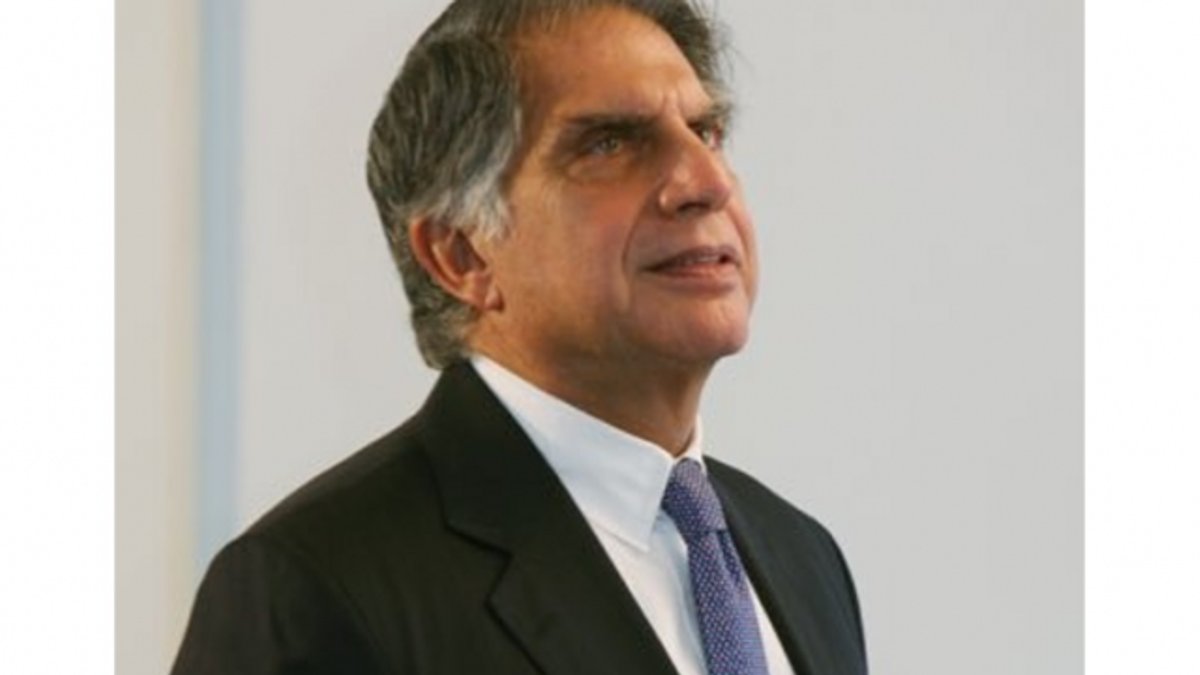
Ratan Tata never met the author in person, but his reputation for kindness reached far beyond boardrooms. A decade ago, an email about an animal welfare nonprofit in financial distress landed in his inbox. Within days, Tata Trusts stepped in—not just to cover the reported ₹87 lakh shortfall, but the full ₹1.3 crore needed to keep the organization running. The author later learned that Tata’s team often acted swiftly in such cases, particularly when animals were involved.
The nonprofit, one of the largest in the National Capital Region, faced closure after falling behind on payments to the municipal corporation. Local authorities refused to waive the debt, despite the group’s work caring for stray animals. The author, moved by the situation, sent appeals to several corporate leaders. Only one responded.
That evening, the author’s phone buzzed with missed calls from Mumbai. A friend who worked for Tata confirmed the office was trying to reach them. When the author returned the call, the friend explained that Ratan Tata had personally flagged the email and instructed his team to follow up immediately. A call to Tata Trust followed, where the author was connected to a senior program manager. The conversation was direct: the manager asked for details about the nonprofit’s operations, its leadership, and the nature of the financial crisis. The author admitted limited firsthand knowledge but shared the organization’s reputation among animal welfare circles. The manager asked for an introduction to the nonprofit’s director. The next week, a team flew to Delhi, assessed the nonprofit’s operations, and discovered the actual deficit was nearly 50% higher than initially reported. During the same call, the author was told that Tata Trust would take care of this amount.
No press release followed. No public acknowledgment was sought. The nonprofit’s leader later called to offer recognition, but both the author and Tata Trust declined. The transaction remained private until now. The decision to avoid publicity was deliberate. Tata Trusts had a long-standing policy of quietly supporting causes without attaching the Tata name to them. The author later discovered that this approach was consistent with Ratan Tata’s personal philosophy; he believed philanthropy should be driven by need, not visibility.
Related: Private Equity Impact on Business Growth
A legacy beyond balance sheets
Tata’s intervention wasn’t an isolated act. Stories of his personal philanthropy—particularly for animal welfare—circulate quietly among those who worked with him. His responses to emails, even during his tenure leading the Tata Group, carried a tone that felt unmistakably his own. The emails were often brief but warm, written in a conversational style that avoided corporate jargon. In later years, replies grew less frequent, but the intent never wavered.
This wasn’t corporate social responsibility as a line item. It was a leader ensuring his organization’s reach extended to those it would never meet, without expectation of return. The nonprofit in question still operates today, its work uninterrupted by the financial crisis that once threatened its existence.
The author, reflecting on the experience, notes that while most leaders focus on stakeholders—customers, employees, shareholders—Tata’s approach balanced entire ecosystems. Other corporate leaders received the same email. None replied. The silence from the others was not surprising to those familiar with corporate culture. The experience left a lasting impression, not just of Tata’s generosity, but of the potential for corporate power to be wielded with humility and purpose.