
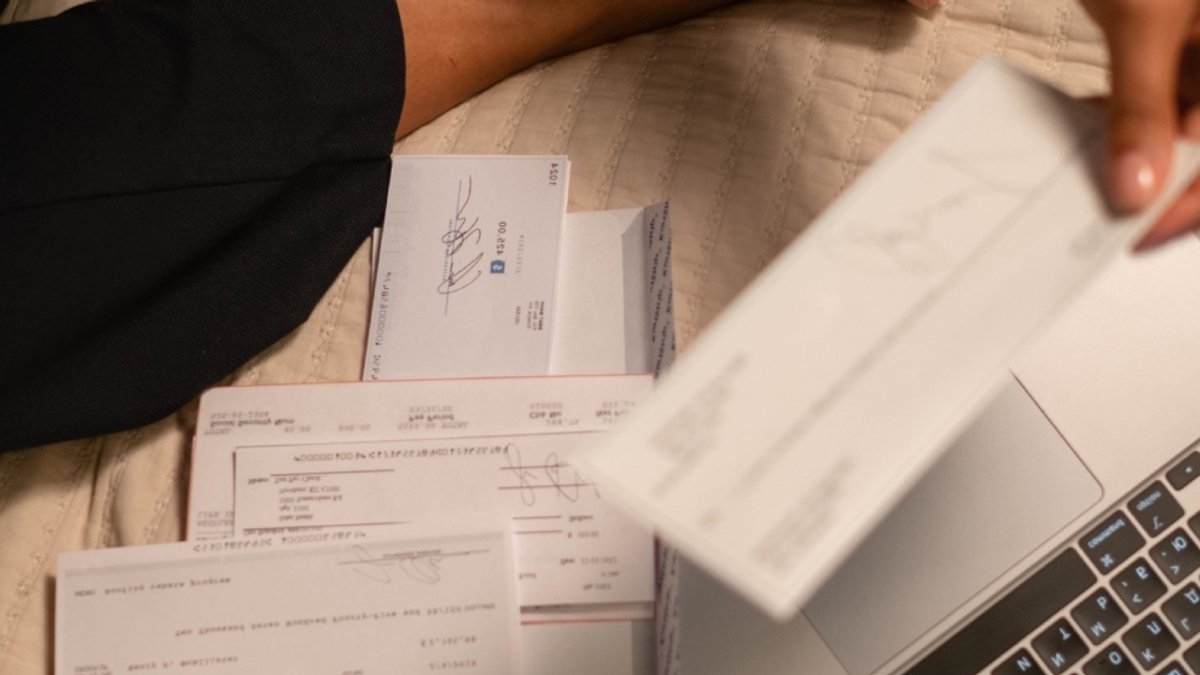
Cheques are dying in Australia. The payments industry set a definitive end date for the system, and small business owners in the country need to act now. The shift away from paper accelerates, closing the window for those holding onto the old method.
Australia’s payments industry confirmed a hard deadline for the end of the line. Personal, commercial, government and bank cheques will stop being issued entirely on 30 June 2028. That date is less than two years away. If you are currently holding cheques in your drawer hoping to deposit them later, there is a second deadline to keep in mind: from 30 September 2029, you won’t be able to deposit them at all.
The move signals the end of a slow-motion exit that has been playing out for a decade. Cheque payments in Australia declined 15 to 30 percent annually over the last ten years. The latest snapshot, taken in April 2026, shows the value of cheques dropped 25 percent compared to the previous year. They now account for less than 0.1 percent of all payments made in the country.
Related: Chatbots May Be Talking to Competitors
This wasn’t an overnight shift. The transition has been gradual. Australians have adopted faster, more convenient and increasingly secure digital payment methods. This shift has left paper instruments looking like a relic of an earlier era, buried under layers of modern fintech solutions and consumer expectations for immediate transactions.
The broader economy has moved on from paper instruments, but many small businesses have not. Anecdotal evidence suggests plenty of SMBs still rely on them for making and receiving payments. This situation prompted a call to action from Australia’s payments industry body, the Australian Payments Network (AusPayNet).
AusPayNet CEO Andy White puts it plainly. “With the manual effort and long processing times required, paper instruments look outdated in our modern payments system, in which real-time payments are the norm,” White says. “But small businesses still rely on paper instruments, and it is important they are supported in getting ready for the time when cheques are no longer available.”
The scale of usage is harder to track than you might think, but the data paints a clear picture of a shrinking market. As of September 2025, Australians were holding an estimated 3.5 million bank cheques worth $820 million. In raw numbers, that is a massive stockpile of paper, even if the usage is low.
Related: AI Eases Small Business Bookkeeping Burden
Eighty percent of those cheques were more than three years old. That is a substantial amount of capital currently trapped in old paper instruments, undeposited and at risk of becoming worthless when the system closes. Small businesses often rely on familiar systems for accounting and cash flow. The friction of switching entirely to digital could cause a significant number of firms to delay the change until the final weeks, leaving them scrambling to clear balances as the cutoff approaches.
The significant amount of money in the form of unbanked bank cheques gathering dust in the bottom of drawers speaks volumes for the decline in cheque use, according to White. “We would urge people holding outstanding cheques to bank them well before the cheques system is closed.”
The message is straightforward. The infrastructure for paper instruments is winding down. Business owners have a limited window to sort out their books before the stop-work order kicks in next year.