
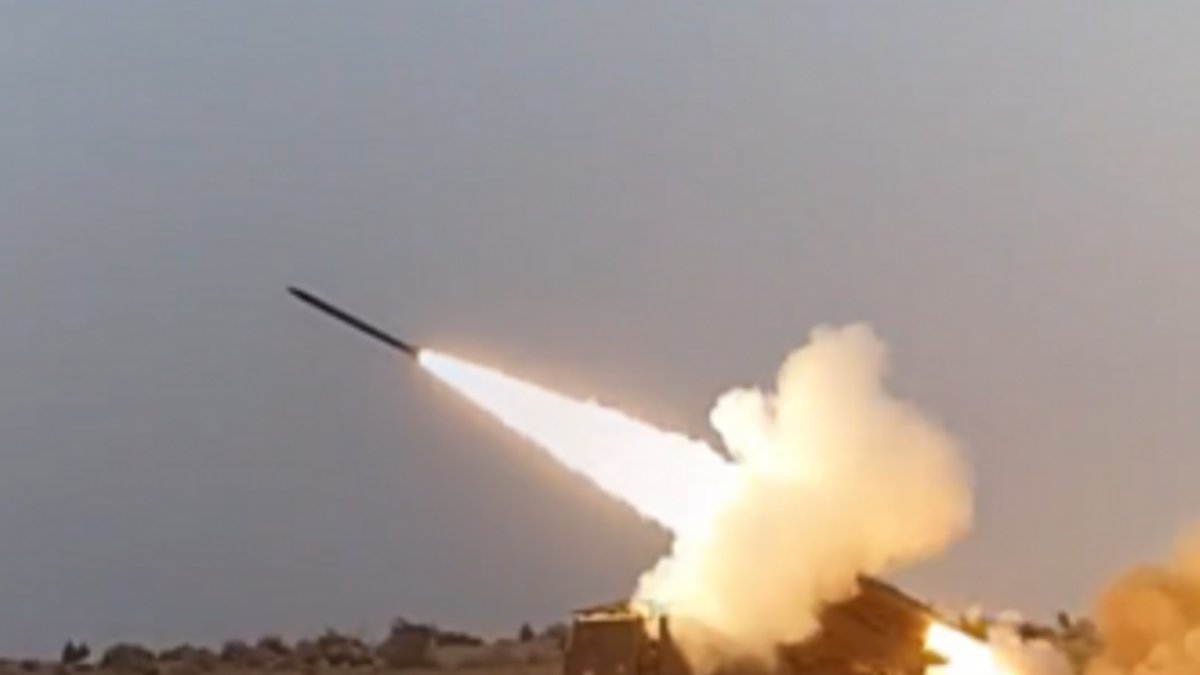
Israel started 2024 with rocket fire as Hamas launched over 20 projectiles at southern and central regions shortly after midnight. The Iron Dome missile defense system intercepted most of the rockets, and no injuries were reported by the Magen David Adom ambulance service.
Sirens blared across cities including Ashdod, Sderot, Rehovot, Ness Ziona, Holon, Lod, and Modiin. The strikes represented the first major escalation of the year, though officials have not released further details on damage or casualties.
Evacuation orders issued in central Gaza
The Israel Defense Forces directed residents in parts of central Gaza to leave immediately. A message posted in Arabic on X identified 15 blocks south of Wadi Gaza, including the Al-Bureij refugee camp, and instructed civilians to move to shelters in Deir al-Balah.
A temporary pause in military operations was announced for southern Deir al-Balah between 10:00 a.m. and 2:00 p.m. to allow safe passage. Residents were told to avoid the central Salah Al-Din road due to clashes in Khan Younis but could use a bypass route west of the city.
These orders came as ground operations expanded in Gaza, with troops advancing into urban areas. Humanitarian groups have expressed concerns about civilian safety, while the IDF states it provides advance warnings to reduce harm.
Tunnels discovered beneath Gaza hospitals
The IDF destroyed three Hamas tunnel shafts near Rantisi Hospital and a nearby high school on Wednesday. The tunnels, reaching dozens of meters underground, form part of a network extending beneath the hospital and into Gaza City.
Related: India’s job growth faces global headwinds
A post on X explained that the tunnels were used to move fighters and weapons. Soldiers from the 162nd Division’s 401st Brigade, along with Flotilla 13 and the Yahalom unit, made the discovery. The engineering corps mapped the network, revealing connections spanning several kilometers across key locations.
The military has long accused Hamas of using civilian sites for military purposes, a claim the group rejects. For Gaza’s residents, the tunnels create both advantages and dangers. While they offer Hamas mobility and supply routes, their proximity to hospitals and schools raises the risk of civilian harm during operations.
The focus on dismantling these networks indicates a strategy to weaken Hamas in populated areas. Similar tunnels were found beneath Al-Shifa Hospital in November, drawing international calls for investigations into potential legal violations.
The New Year’s rocket attacks highlighted the conflict’s persistence. Though the Iron Dome prevented casualties, the psychological impact on civilians remains severe. Schools in southern towns stayed closed, and residents report growing anxiety as the war enters its fourth month without resolution.
Energy shortages in the region have intensified pressure on local infrastructure. As renewable sources gain traction, Gaza’s reliance on unstable power grids shows the broader challenges of sustaining critical services during prolonged conflict.