
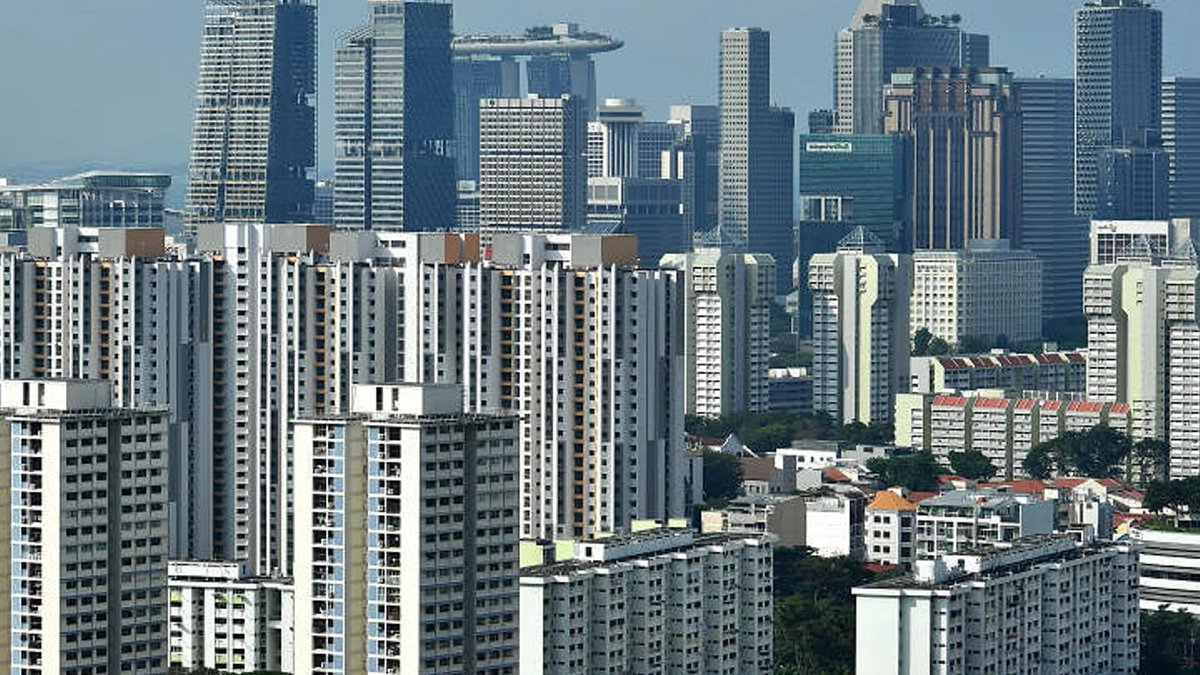
Singapore is lowering the consent thresholds for en bloc sales in older private housing developments, making it easier to approve rebuilds of ageing estates under a new framework announced by the government. The changes, outlined in a Bill read in Parliament on September 8, adjust the required majority support depending on a development’s age, with the lowest thresholds for properties aged 60 years or older. Minister for Law Edwin Tong emphasized that the amendments reflect the reality that Singapore’s private housing stock has aged significantly since the collective sale regime was introduced in 1999, with maintenance costs rising substantially over time for older buildings.
Lower consent thresholds for older developments
Developments aged 40 to 59 years will now require 70% consent from owners for a collective sale, down from the previous uniform threshold of 80%. Those aged 60 and above will need just 65%, reflecting the government’s view that older buildings face higher maintenance costs and are more urgent to renew. The adjustments also address feedback from owners who argued that the original two-tiered consent thresholds—introduced in 1999—no longer align with current conditions, as a 10-year-old development and a 44-year-old one should not face identical hurdles for renewal.
Younger developments remain subject to stricter rules: properties under 10 years old still need 90% consent, while those aged 10 to 39 years require 80%. The adjustments aim to balance renewal needs with protections for owners who oppose sales. Notably, developments aged 40 years and above that are currently gathering signatures will be allowed to terminate their existing collective sale agreement and restart the process under the new thresholds, provided they act within seven months of the amendments’ commencement.
The government also allows developments currently gathering signatures under the old framework to restart the process under the new rules. These will have seven months from the amendments’ commencement to meet the revised consent thresholds, ensuring a smooth transition without disrupting ongoing efforts.
Safeguards for objectors and tighter controls
Non-consenting owners will receive stronger protections, including a shorter window for signature collection—now six months instead of 12, and a longer restriction period after a failed bid. The six-month signature window was previously 12 months, and the extended restriction period aims to prevent repeated, disruptive sale attempts in developments where there is insufficient support. Objectors may also qualify for higher sale proceeds, with the court-ordered increase cap raised from 0.25% of sale proceeds (or S$2,000 per unit) to 0.5% of sale proceeds (or S$2,000 per unit, whichever is higher). This provision, first introduced in 2007, applies when courts deem it fair, such as if an owner recently invested in renovations before the sale attempt.
To prevent repeated, disruptive sale attempts, the government is raising the threshold for launching an en bloc sale to 35% of owners by share value or unit count, up from 20% by share value or 25% by unit count. This higher bar aims to filter out speculative or low-support bids while still allowing genuine renewal efforts to proceed.
Read Also: Homebuyer demand faces tougher test in final quarter
The adjustments reflect feedback from stakeholders, including concerns that older developments face disproportionate maintenance costs. Around one in 20 non-landed private residential units—roughly 20,000 units across 250 developments—are now aged 40 years or older. Minister for Law Edwin Tong noted that while the original 1999 collective sale regime was designed for a younger housing stock, today’s aging properties require a more flexible approach. The government’s engagement with stakeholders since 2023 highlighted two key issues: the need to update consent thresholds for older buildings and the disruption caused by repeated, unsuccessful sale attempts.
The framework also extends to non-strata-titled private residential developments where owners hold leaseholds of less than 850 years but do not own the underlying land. Examples include Neptune Court, One Tree Hill Mansions, Paterson Court, Orchard Court, and Townhouse Apartments, all over 40 years old and owned by the Minister for Finance (MOF Inc). MOF (Inc) is prepared to divest its interest in these developments at fair market value.
Broader stakeholder engagement and policy intent
Since 2023, the government has consulted widely on the collective sale regime, identifying two key issues: the need to update consent thresholds for older buildings and the disruption caused by repeated, unsuccessful sale attempts. Tong cited feedback from an owner who argued that a 10-year-old development and a 44-year-old one should not face the same consent hurdles, given differing renewal priorities. The lower consent thresholds make broad-based renewal more accessible for genuinely aging developments where there is support among the owners, while the higher initiation threshold, shorter signature window, and extended restriction period ensure that the framework cannot be used to mount repeated, disruptive attempts in developments where there is insufficient majority support.
The changes align with Singapore’s long-standing policy of treating urban renewal as essential due to land scarcity. As Tong stated, the 1999 collective sale regime was introduced with the understanding that renewal is “not merely desirable, but imperative”. The updated rules aim to make the process more efficient for genuinely aging estates while shielding communities from speculative or prolonged sale efforts. The Bill, an amendment to the Land Titles (Strata) Act, was first tabled on August 4.
Owners in developments currently under sale will now have the option to reset the process under the new thresholds, provided they act within the seven-month window. The government’s approach suggests a pragmatic balance: lower barriers for older, high-maintenance buildings while tightening controls to prevent abuse of the system. The amendments ensure that the collective sale framework remains effective in addressing Singapore’s land scarcity challenges while protecting owners from unnecessary disruption.