
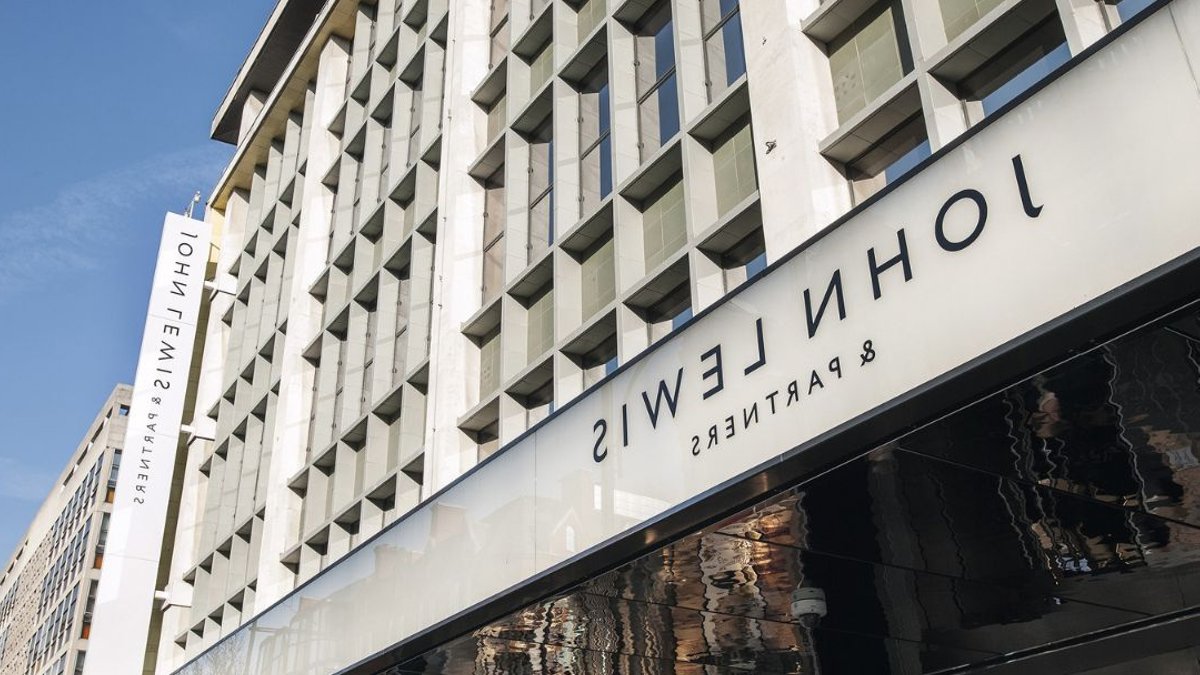
John Lewis reported a pre-tax loss of £124 million for the first half of its financial year, an increase of 41% compared to the same period the previous year. The retailer, which also operates Waitrose, saw total sales grow by just 2% to £6.3 billion, but rising expenses—particularly higher employer national insurance contributions tied to Labour’s tax measures—drove profitability down. Labour’s hike in employer national insurance contributions has been a persistent pain point for retailers, forcing many to scale back hiring plans or adjust wage structures to offset the increased costs. The Partnership has explicitly linked these tax changes to its broader financial strain, arguing they create an unfavorable operating environment for businesses already grappling with economic uncertainty.
The financial setback highlights broader challenges facing UK retailers. Operating expenses climbed due to increased labor costs, with Labour’s national insurance rise identified as a major contributor. Jason Tarry, the chairman of the John Lewis Partnership, explained the results reflected “ongoing reinvestment in our business, a tougher trading climate, and rising operational costs.” The Partnership’s decision to maintain investment despite losses shows its commitment to long-term transformation, including digital upgrades and store modernizations, which require sustained capital allocation even in difficult periods. However, the combination of higher wages, inflationary pressures, and reduced consumer spending has narrowed profit margins, forcing the retailer to balance cost discipline with strategic growth initiatives.
Department stores struggle as shoppers cut back
Sales in John Lewis’s core department store division fell by 2% to £2 billion over the six-month period. The decline was linked to weaker demand in discretionary spending categories, where consumers reduced purchases of higher-priced items. In response, the retailer shifted away from heavy discounting, focusing instead on maintaining full-price sales while introducing selective promotions to sustain customer spending. The strategy reflects a deliberate attempt to protect brand perception by avoiding deep discounts, which can erode margins and attract bargain-hunting shoppers who may not align with the retailer’s premium positioning.
Read Also: Ringgit climbs to 10-month peak against dollar
Waitrose, the partnership’s grocery business, was the only segment to post growth, with sales increasing by 4% to £4.3 billion. However, higher expenses—including losses from extreme summer temperatures damaging perishable stock, cut adjusted operating profit by 6% to £103 million. Waitrose invested £20 million in pushing down prices, as grocers compete to attract shoppers minding their budgets amid fears that the wider economic and geopolitical environment has weighed on customers. Jason Tarry said he is managing John Lewis “with discipline” amid rising costs.
Investing in tech and service despite losses
The company maintained its focus on long-term planning despite the losses. Tarry emphasized that operations were being managed carefully, with priorities placed on enhancing customer service, improving employee benefits, and upgrading technology like electronic shelf labeling and automated warehouses. The Partnership’s investment in infrastructure, including shop-floor refurbishments and digital tools, is intended to drive operational efficiency and improve the shopping experience. These upgrades are expected to yield long-term benefits, particularly in reducing labor costs through automation and optimizing inventory management. However, the immediate impact of these initiatives remains limited, as the full advantages are projected to materialize in the second half of the financial year.
Recent leadership changes may influence the retailer’s direction. Peter Ruis, who resigned as managing director after three years, warned that the UK economy is facing a “permacrisis” and criticized Labour’s proposed increase in business rates for large retailers. Ruis described the UK economy as facing a “permacrisis,” suggesting that prolonged uncertainty has made it increasingly difficult to predict consumer behavior or implement long-term strategies. His successor, Will Kernan, previously with New Look, will now oversee efforts to steer the company through its current challenges.
Read Also: Singapore adjusts en bloc sale rules for urgent urban renewal
Employee ownership shields retailer from volatility
The partnership’s financial stability, reinforced by its employee-owned structure, allows it to absorb short-term losses while redirecting resources toward growth initiatives. The first-half results reveal the combined effect of rising costs and slower consumer spending, with the adjusted operating loss expanding due to softer trading, cost growth, and higher investment. The employee-owned model provides a buffer against volatility, enabling the Partnership to weather downturns without the immediate pressure faced by publicly traded retailers.
The adjusted operating loss for the period expanded to £83 million, up from £53 million in the prior year, as cost pressures and weaker sales continued. The outlook now depends on whether recent upgrades and disciplined financial controls can improve performance in the second half. The Partnership has signaled confidence in its ability to work through the current challenges, but the effectiveness of its strategic investments, particularly in technology and customer experience, will be closely scrutinized.