
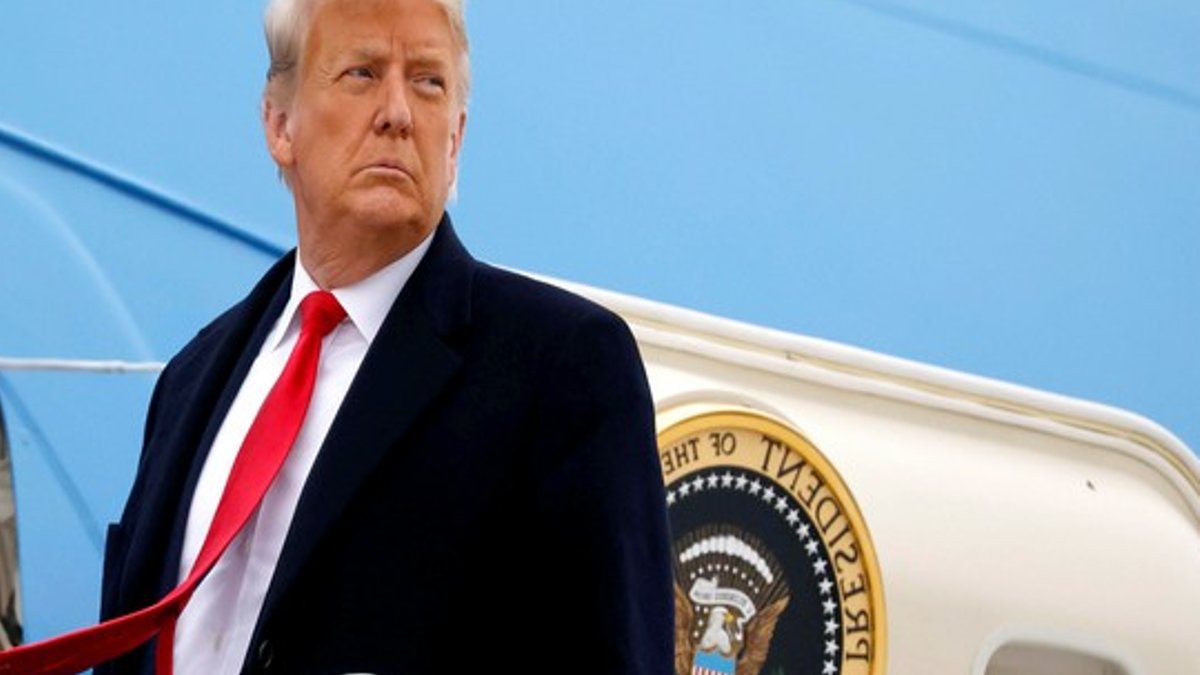
The potential return of Donald Trump to the White House is prompting analysts to consider how a new administration could shape the trajectory of US‑India trade, especially after the recent surge in bilateral commerce.
Recent trade growth sets a strong foundation
India’s trade with the United States has climbed steadily over the past few years. In fiscal year 2020‑21, total bilateral trade reached $80.5 billion, with Indian exports of $51.62 billion and imports of $29 billion, creating a modest surplus for New Delhi. The following year, trade jumped to $119.42 billion, driven by higher shipments of petroleum products, polished diamonds and pharmaceuticals.
By FY 2022‑23, the volume grew to $128.55 billion—a 7.65 percent increase—while exports rose to $78.31 billion and imports to $50.24 billion.
Related: Why Fantasy Worlds Always Keep Us Coming Back
Trade continued into 2023‑24 with a total of $118.28 billion, keeping the United States as India’s top trading partner for consecutive years.
Trade ties continue to deepen.
How a Trump administration might alter the mix
During his previous term, President Trump placed emphasis on defense and energy cooperation. Arms sales to India grew, aligning with the broader Indo‑Pacific strategy, while U.S. exports of liquefied natural gas and crude oil expanded India’s energy imports. The administration also pursued a “fair trade” stance that occasionally introduced tariffs on Indian goods, yet overall trade volumes remained robust.
If Trump returns, similar priorities could reappear. Reducing regulatory hurdles could invite more U.S. investment in India’s digital infrastructure, manufacturing and renewable‑energy sectors. Such moves would match India’s own economic objectives, potentially accelerating capital flows and technology transfer.
Related: AI tool integrates with popular apps seamlessly
At the same time, a renewed focus on trade balance might prompt the re‑imposition of certain tariffs, echoing past measures that aimed to level the playing field for American producers. The net effect would likely be a mix of heightened investment opportunities and selective trade pressures.
Comparing this scenario to earlier Republican leadership shows a pattern: the Bush administration, for example, secured the 2005 civil‑nuclear agreement that opened civilian nuclear technology to India, while also encouraging U.S. investment in Indian IT and manufacturing. Both periods leaned toward direct economic engagement, contrasting with the broader, climate‑focused agenda of recent Democratic administrations.
Strategic implications beyond commerce
The prospect of renewed Trump‑era policies could reinforce defense and energy links while introducing a more aggressive stance on trade equity. For India, leveraging U.S. expertise and capital in these areas may bolster its economic growth and reinforce its strategic position on the global stage.