
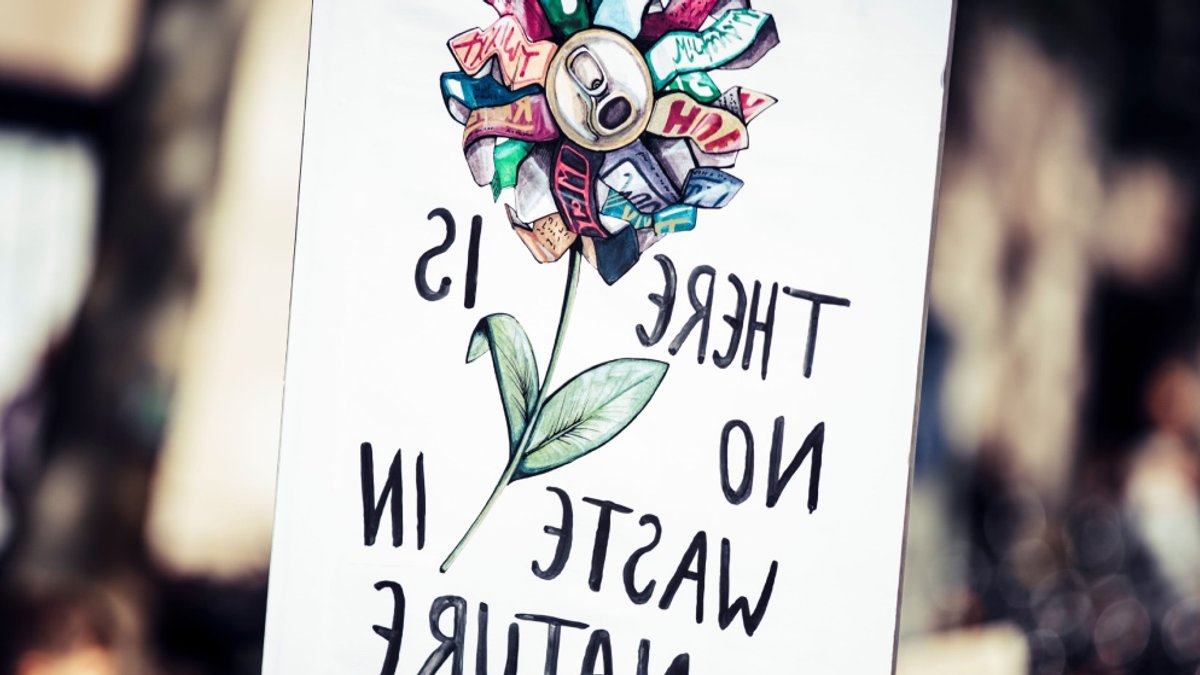
The circular economy isn’t just good ethics, it’s good business. Sustainability is quickly shifting to a primary strategic business priority, and with the introduction of regulations and reporting requirements such as ASRS, it is being thrust to the forefront of decision-making.
This shift highlights the increasing role businesses play in environmental outcomes, with sustainability now embedded across products, services, operations, and governance. Sustainability and circular economy initiatives can also deliver tangible financial benefits by reducing waste, improving efficiency, and strengthening supply chain resilience.
Practical approaches to embedding these concepts often require companies to look at their supply chains differently. A business might reduce packaging waste in retail, manage unsold stock through resale or donation, or focus on sustainable materials and longer building lifecycles in construction. Healthcare systems face different challenges, requiring better medical waste management and energy efficiency. By focusing on reuse, repair, refurbishment, and recycling, businesses reduce reliance on new materials while lowering costs and improving resilience against supply chain volatility.
Related: Why the end of cheques matters for business
While the environmental argument is clear, the financial case for these changes is becoming harder to ignore. Investors are increasingly looking at environmental and governance performance when making capital allocation decisions, and customers are seeking out organisations that align with their values. Demonstrating a genuine commitment to sustainability strengthens customer trust and supports alignment with evolving stakeholder expectations, while also positioning businesses as responsible and forward-thinking.
External Partnerships Matter
Embedding sustainability as a core business pillar, rather than a standalone initiative, is critical. This ensures environmental considerations are integrated into everyday processes rather than treated as optional. Collaboration is also an important enabler, as partnering with councils and sustainability-focused organisations can help align businesses with broader environmental frameworks and support knowledge sharing.
However, these models often involve higher upfront investment, particularly where systems or processes require redesign. Companies are finding that long-term benefits, such as reduced material costs and greater resilience to supply chain disruption, can often justify these initial expenses. Partnering with external organisations and certifications can support companies across industries in achieving sustainability objectives and strengthening operational outcomes.
Related: Bots Inflate Online Ad Costs
One example comes from Wedderburn, a company that has engaged with a range of programs to support tangible business and environmental outcomes. Their work includes the RafCycle™ initiative, which converts label waste into reusable resources and reduces landfill. Wedderburn became the first Australian partner in 2018 and participates in encouraging customers to join the program, supporting wider industry movement toward zero-waste outcomes. They have also pursued Forest Stewardship Council (FSC) Certification to provide independent assurance that paper-based materials are sourced from responsibly managed forests.
The Australian Bioplastics Association (ABA) and the Australian Organics Recycling Association (AORA) are two other groups Wedderburn has joined to align with compostable and biodegradable material solutions, as well as broader industry efforts to strengthen organic recycling systems. These partnerships demonstrate that sustainability is increasingly being embedded through both internal decision-making and external collaboration, shaping how organisations operate and evolve.